Here’s the English translation of the provided text about gypsum plant manufacturing:

Gypsum Plant Manufacturer

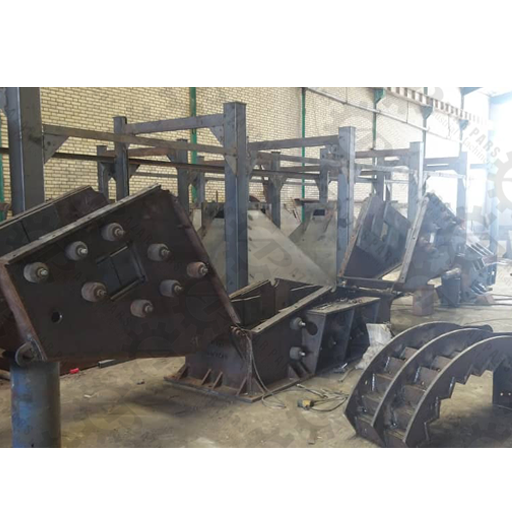
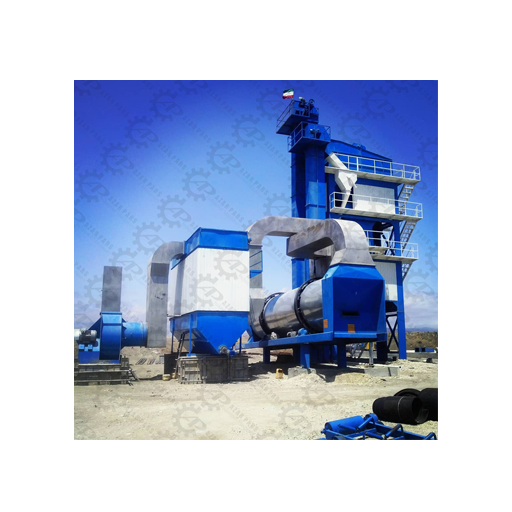
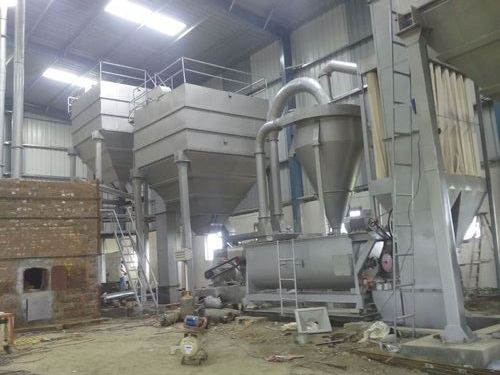
Gypsum Plant? The gypsum powder production plant manufactured in this unit performs all stages from stone entry to packaging the product in 10 and 50 kg bags in a fully automatic process. These plants are designed and built with a production capacity of 300 to 1200 tons per day.

To contact the best gypsum plant manufacturer and consult about building a gypsum plant, visit the Azar Pars website or call the numbers below.

Office Phone Numbers: +989382939998 – +989108104474

Management Phone Number: +989143335474

In a gypsum plant, the gypsum stone is first converted into smaller pieces and then transferred to the mills to be powdered. Then, by adding water to this gypsum powder, the materials turn into a sticky and plastic state that can be modeled and shaped.
 

سازنده کارخانه گچ

Products produced in a gypsum plant are mainly used in the construction industry. These products include gypsum blocks, gypsum plasters, decorative gypsum moldings, and similar materials used for wall and ceiling coverings, interior decorations, and other applications. Gypsum is also used to produce decorative items, various models, and artistic products.

The Best Gypsum Plant Manufacturer and Gypsum Plant Components

Who is the best gypsum plant manufacturer? Azar Pars Company is one of the largest gypsum plant manufacturers in Iran, which we will introduce below. A gypsum plant is a facility used to produce gypsum products. Gypsum is a construction material obtained from gypsum stone or limestone. These plants use specific processes to grind gypsum stone into powder so it can be used in various industries.

For consultation with the Azar Pars team, please contact the numbers below:

Office Phone Numbers: +989382939998 – +989108104474

Management Phone Number: +989143335474

The Best Gypsum Plant Manufacturer in Iran

In today’s world, the production of construction materials is one of the most important sectors of industry and the economy. One of the most essential and widely used materials in this field is gypsum. In the construction industry, gypsum is considered a very important building material. As a versatile and multi‑purpose construction material, gypsum is used in various types of buildings and construction projects and plays an important role in creating structures and interior and exterior decorations. In this article, we refer to the types of equipment required for a gypsum plant.

Office Phone Numbers: +989382939998 – +989108104474

Management Phone Number: +989143335474

Best Gypsum Plant Manufacturer

Azar Pars Company is one of the largest gypsum plant manufacturers in Iran. Establishing a gypsum plant as a source for producing this essential product requires precise planning, professional equipment, and strong technical knowledge. In this process, selecting the best machinery and equipment, practical experience, and partnering with an experienced company in gypsum production are extremely important.

With more than four decades of experience in this industry, Azar Pars Company is ready to cooperate with valued clients in establishing gypsum plants and providing customized solutions and high‑quality gypsum production systems.

Here, with our technical knowledge and expertise, professional consultation, and advanced equipment, we help you establish a gypsum plant so that you can complete your important project with high quality and optimal efficiency. We are also committed to maintaining international quality standards and producing the best gypsum products with long service life and high performance.

We recommend contacting us and explaining the details of your project so we can provide you with the best solutions and equipment and accompany you in successfully establishing your gypsum plant.


Steps to Establish a Gypsum Plant

1. Crusher

Gypsum stone is extracted from the mine and then crushed into smaller pieces in the gypsum plant to prepare it for the next production stages. These stages include heating and grinding the gypsum stone to convert it into gypsum powder. Then, by adding water, the powder becomes fresh gypsum which can be used in construction and decorative applications. Due to its special properties, gypsum is widely used in wall coverings, flooring, ceilings, and interior decorations.

2. Gypsum Mill

In this section of the gypsum plant, crushed gypsum stones are ground into powder. This stage is used to produce gypsum powder which serves as a raw material for construction, interior decoration, and other industrial uses. The gypsum powder produced through grinding is valued for its ability to create smooth surfaces and for its resistance to fire and moisture.

3. Mixer

In this stage, gypsum powder is mixed with water to create a sticky and moldable material. This stage, known as gypsum mixing, is a crucial part of the production process. By adding the proper amount of water, a soft and adhesive material is obtained that can be shaped and used for decorative surfaces. After cooling and setting, the gypsum mixture becomes ready for various industrial and construction applications.

4. Gypsum Product Manufacturing Machines

This section contains different machines and equipment used to produce various gypsum products such as gypsum blocks, gypsum plaster, and other materials. These machines operate automatically using advanced technologies to produce gypsum products with high precision and quality. Each gypsum product may have unique characteristics depending on customer requirements and intended applications.

5. Storage Warehouse

In this section, the products produced in the gypsum plant are temporarily stored until they are ready for shipment and sale. This area includes warehouses where gypsum products are stored in an organized manner. Proper storage is essential to maintain product quality and prevent damage before transportation to the final destination.

6. Administrative Office

This section includes the main administrative department and management offices responsible for the administrative and financial affairs of the factory. Activities such as human resources management, taxation, accounting, financial management, and other administrative tasks are handled here. Planning and controlling factory operations are also carried out through these management offices.

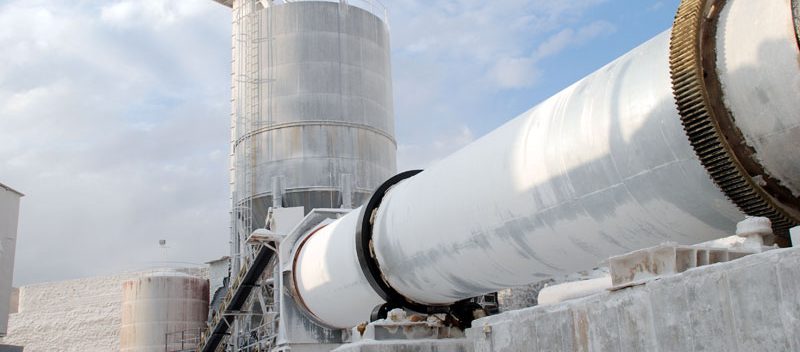
7. Kiln

In this section, gypsum powder is processed to reach its final form, such as dry gypsum or cylindrical briquettes. At this stage, gypsum may be formed into large cylinders or gypsum blocks that are ready for transportation and sale to the market. These final products have special properties that make them suitable for construction, decorative, and restoration uses.

8. Conveying Equipment

In this part of the gypsum plant, conveyor belts and other transfer systems are used to move materials between different production stages. These systems help ensure smooth material flow during production and improve the efficiency of the entire manufacturing process. Such equipment plays a vital role in increasing productivity and reducing production costs.

یهترین سازنده کارخانه گچ

9. Control and Monitoring Systems

This section includes equipment and software used to control and monitor production processes in the factory, helping to improve production quality and efficiency. These systems allow precise control of production processes and monitoring of machinery and equipment performance. By using these devices and software, the factory can manage production intelligently and achieve optimal performance to increase productivity and reduce costs. These systems also help improve product quality and control production stages, playing a vital role in enhancing manufacturing processes and overall factory performance.

10. Workers and Management Staff

A gypsum factory requires skilled and experienced workers who are responsible for carrying out and supervising production processes. With their expertise and experience, these workers ensure the proper and efficient operation of production processes in the factory.

The management staff is responsible for planning, directing the factory, and coordinating various activities. With managerial expertise and experience, they supervise the overall performance of the factory and coordinate all operations and processes. Through effective decision‑making, they help improve efficiency and productivity and play a vital role in strategic planning and effective factory management.


Types of Gypsum Plants

Different types of gypsum plants generally include the following:

1. Gypsum Extraction Plant

In this type of plant, gypsum stone is extracted from mines and crushed into smaller sizes to prepare it for the next stages of gypsum production.

2. Gypsum Powder Production Plant

In this section, crushed gypsum stones are ground into powder so they can be used in the next stages of production.

3. Dry Gypsum and Briquette Production Plant

Gypsum powder is mixed with water to form a sticky and moldable material, and then shaped into cylindrical forms or gypsum stones.

4. Gypsum Product Manufacturing Plant

In this section, various products such as gypsum blocks, gypsum plasters, and other materials are produced for different applications.


What Should Be Done to Build a Gypsum Plant?

To establish a gypsum plant, several steps must be taken:

  1. Location Selection

    A suitable location must be chosen that has good access to gypsum mines and potential markets.

  2. Obtaining Permits

    The necessary licenses and approvals must be obtained from the relevant authorities.

  3. Design and Construction

    The plant must be properly designed and constructed, and the required machinery and equipment for gypsum production must be installed.

  4. Testing

    Necessary tests should be conducted to ensure the quality of the produced gypsum.

  5. Operation

    After installation and setup, the plant begins its operational phase and gypsum production starts.

Considering the importance and complexity of establishing a gypsum plant, it is advisable to consult a reliable and experienced manufacturer. Professional manufacturers, with their expertise and technical knowledge, can help you choose the right location, obtain the necessary permits, and design and construct the plant. They can also provide consultation during the startup and operational phases and help improve production quality and efficiency.

Choosing an experienced manufacturer with strong knowledge of the gypsum industry is the best option for building and operating a gypsum plant. Azar Pars Company can provide significant assistance in this field.


Final Words

In conclusion, the importance of establishing a gypsum plant and producing this essential material should be emphasized. Gypsum is one of the fundamental materials used in construction, interior decoration, and various other industries. By following proper steps and consulting with reputable manufacturers, it is possible to establish a gypsum plant with high quality and productivity.

From selecting the right location and obtaining the necessary permits to preparing modern equipment and ensuring efficient operation, all these factors are critical and must be carefully considered. With dedication and expertise, your gypsum plant can become a successful and productive industrial unit.